Wed, May 1
Alumnus Josh Baker ’14 has been appointed the new associate principal bassoon of the Boston Symphony Orchestra and principal bassoon of the Boston Pops, beginning in the 2024-25 season.
Thu, April 25
World-renowned violinist and three-time Grammy Award winner Hilary Hahn hosted a master class to a packed house in New England Conservatory's Williams Hall featuring violin students Yirou Ronnie Zhang ’26, David Carreon ’25 MM, and Emma Boyd ’25.
Wed, April 24
Meet Haoyu Zheng ’24, a Composition and CMA double major, a Teaching Fellow through NEC's CPP office, and a mentee of Grammy-winner Stephanie Economou ’12 through the EM Mentorship Program. After graduation next month, Zheng will travel to Los Angeles to work as a composer assistant in Nathan Wang's studio before moving to Baltimore in the fall to start his Master's in film scoring at the Peabody Institute, where he earned a full scholarship.
Tue, April 23
NOX Quartet, comprising NEC students violinists Ava Kenney ’27 and Eleanor Markey ’27, violist Yu-Heng Wang ’27, and cellist Ari Freed ’27, won second prize at the Saint Paul String Quartet Competition on April 20, 2024.
Mon, April 22
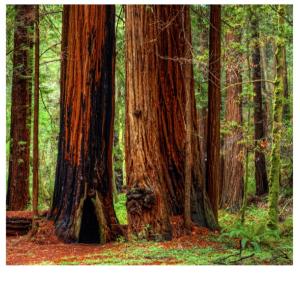
In faculty member Jill Gatlin's course Climate Change Culture and Performance Practicum, part of NEC's Integrative Curriculum, students gained an understanding of climate science, the sociology and geography of climate injustice, representations of climate change in art, and methods of engaging audiences across the arts — and this was just one-half of their coursework. They also acquired invaluable professional skills through the project-based Performance Practicum, in which they used their new knowledge to design, produce, market, and execute a live concert in collaboration with their peers titled
What Washes Over: Sounds of Climate Grief and Action.