The Ladles perform Hands of Time, written by Katie Martucci. Caroline Kuhn, voice and banjo, Katie Martucci, voice and guitar, and Lucia Purpura-Pontoniere, voice and fiddle.
Loading...
We’re Contemporary Musical Arts at New England Conservatory: a revolution in music and music education for more than 50 years. We bring together a diverse group of the world’s finest young artists in a setting where they can grow as a community of composers, performers, and improvisers, learning from each other and from accomplished faculty.
The program was first known as “Third Stream” at its founding by Gunther Schuller and Ran Blake in reference to the fusion of European classical and American jazz traditions, later transforming into Contemporary Improvisation. Today, the CMA program endures as an innovative training ground for adventurous musicians who thrive in the space between genres and beyond boundaries.
With an emphasis on ear training, technique, conceptual ideas, interdisciplinary collaboration, and a wide range of improvisational traditions from the United States and around the world, the CMA program is at the forefront of groundbreaking music, innovation, and artistry.
Find a place for your music and your voice in an ever-changing world: join us in Contemporary Musical Arts.
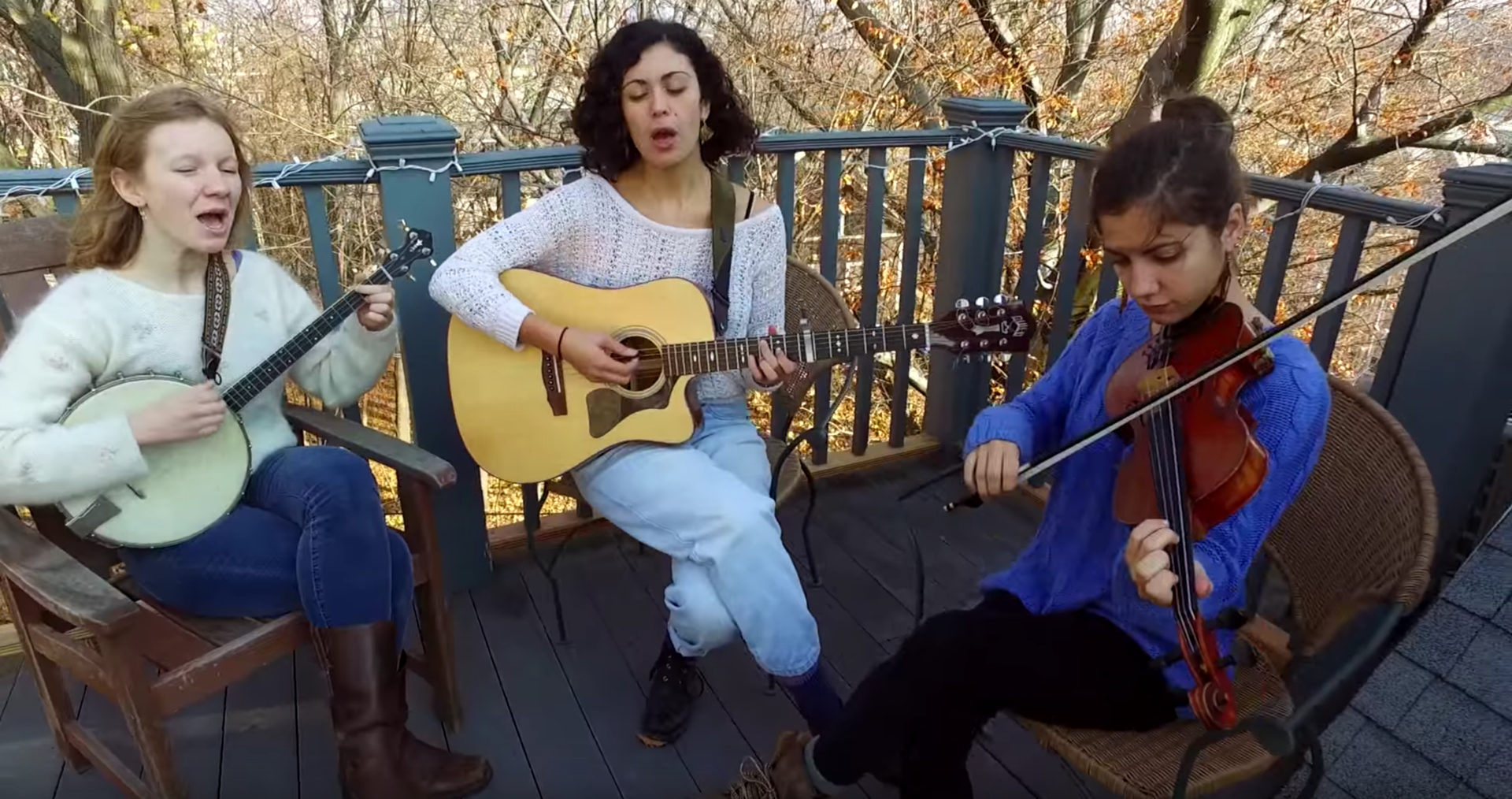
The Ladles perform Hands of Time, written by Katie Martucci. Caroline Kuhn, voice and banjo, Katie Martucci, voice and guitar, and Lucia Purpura-Pontoniere, voice and fiddle.
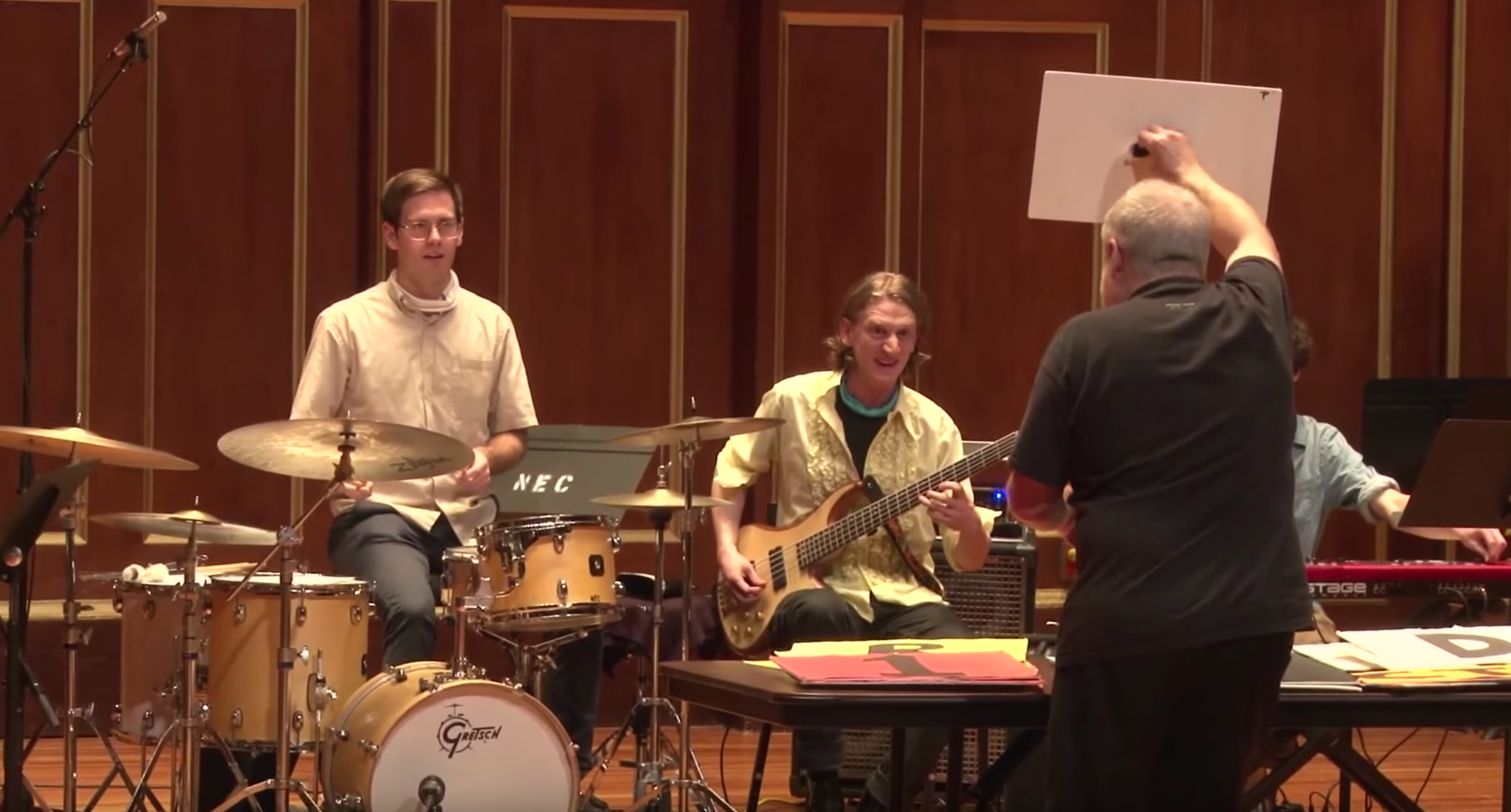
Three performances of John Zorn's 1984 "game piece" Cobra, featuring the NEC Cobra Ensemble led by Anthony Coleman, presented at the Contemporary Improvisation department's Music of John Zorn: A 35-Year Retrospective, curated by John Zorn and Anthony Coleman.
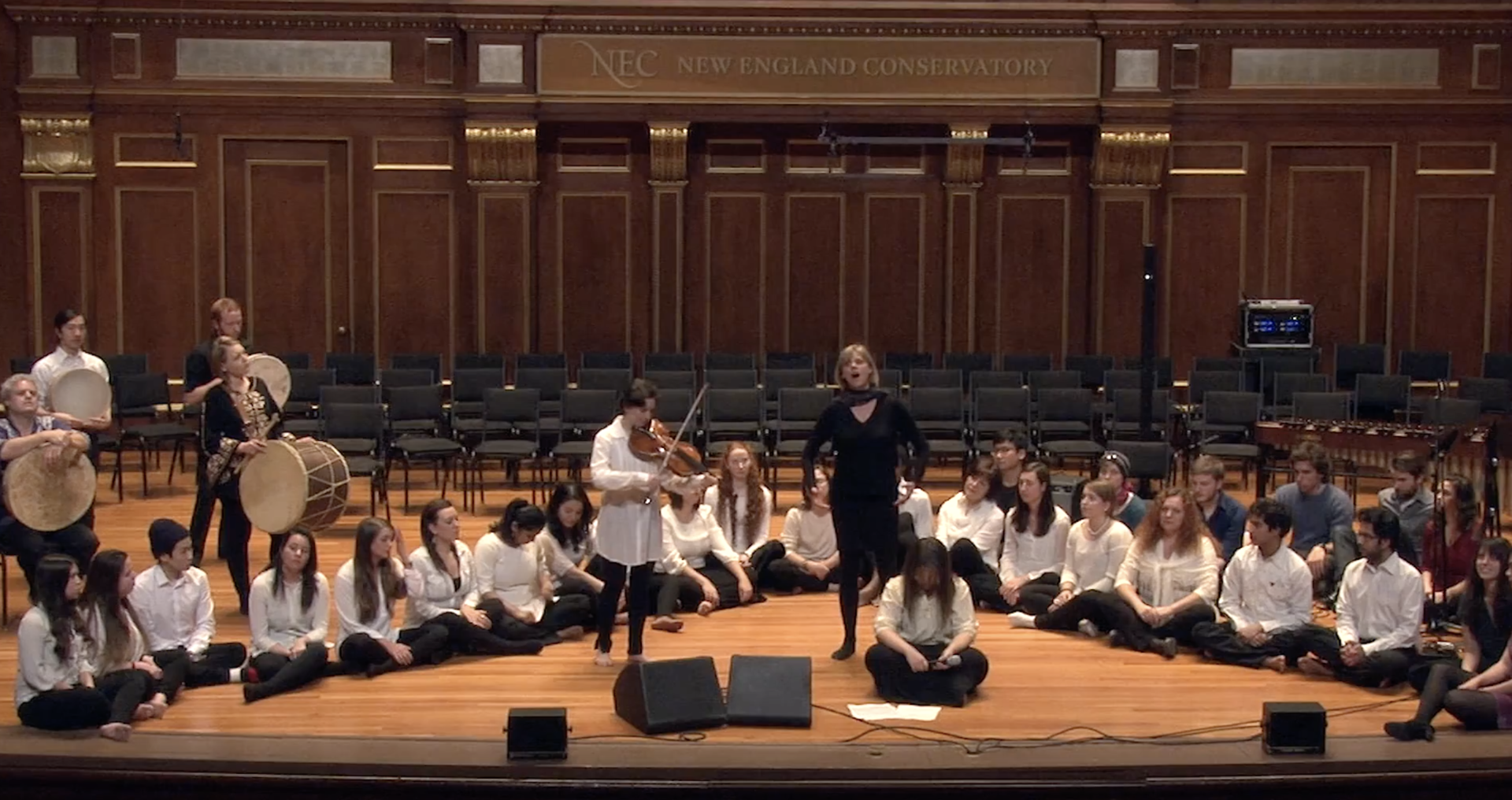
Contemporary Improvisation students, faculty, and special guests present a concert of struggle and redemption in true Third Stream style, through a reinterpretation of Hildegard von Bingen’s 12th-century drama Ordo Virtutum (Order of the Virtues).
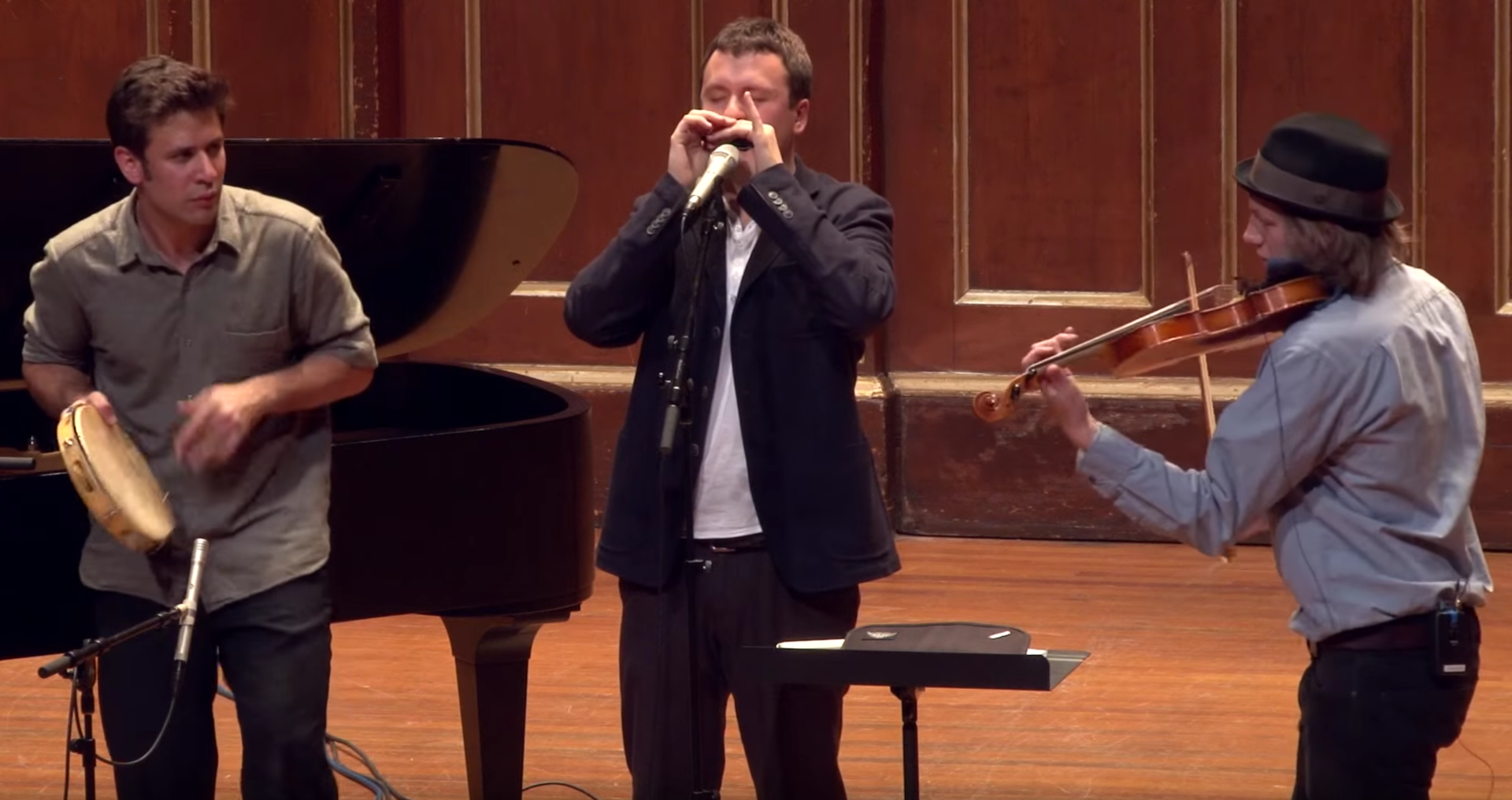
New England Conservatory "Wildcard" (Contemporary Improvisation) Honors Ensemble Choro Bastardo performs NEC pianist Henrique Eisenmann's Piangerito. Choro Bastardo is Ilya Portnov, harmonica; Ben Andrews, violin; Henrique Eisenmann, piano; and Cristian Budu, pandero.
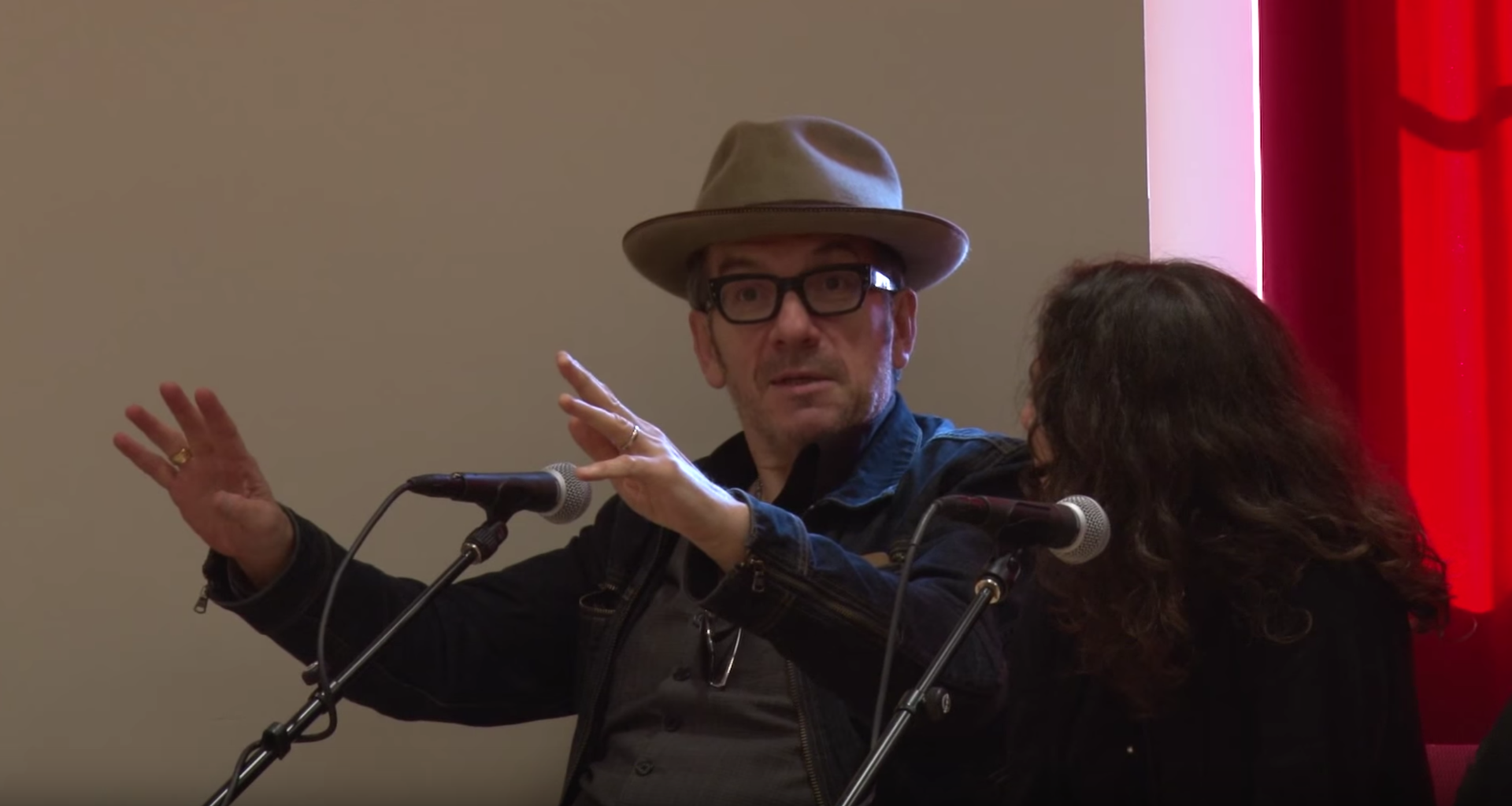
Elvis Costello visited New England Conservatory for a series of events including this workshop with songwriters enrolled in NEC's Contemporary Improvisation program. This clip features Elvis working with freshman songwriter/pianist/singer Damon Smith, and a group of his peers.
What’s in your professional toolkit?
Make new ventures happen, start to finish, with Entrepreneurial Musicianship >
Pitch programming and perform for diverse audiences with Community Performances & Partnerships >
Sharpen your intellectual and communications skills with Liberal Arts >
As far as boundaries are concerned, I'm always looking for new ones.

Come to a concert. Connect with faculty. Take a tour led by a current student. Visit us!
NEC students don't just learn music; they learn how to change the world through music.
