

 Performances + Events
Teaching Artistry and Music Education Concentration

A robust teaching practice is an essential part of a 21st-century musician’s career. Successful teaching artists need to be adaptable and skilled in helping a wide range of communities learn to make music.
The Teaching Artistry and Music Education Concentration is a diploma distinction that offers a blend of coursework, experiential learning, professional development workshops, and a self-directed capstone project.

Taking part in this concentration was one of the best decisions that I made at NEC! I have real tangible projects from school, like the curriculum I wrote for my capstone project that I can use when I’m out in the real world.”
Aviana Gedler, ‘25 (Teaching Artistry Concentration)
About the Concentration

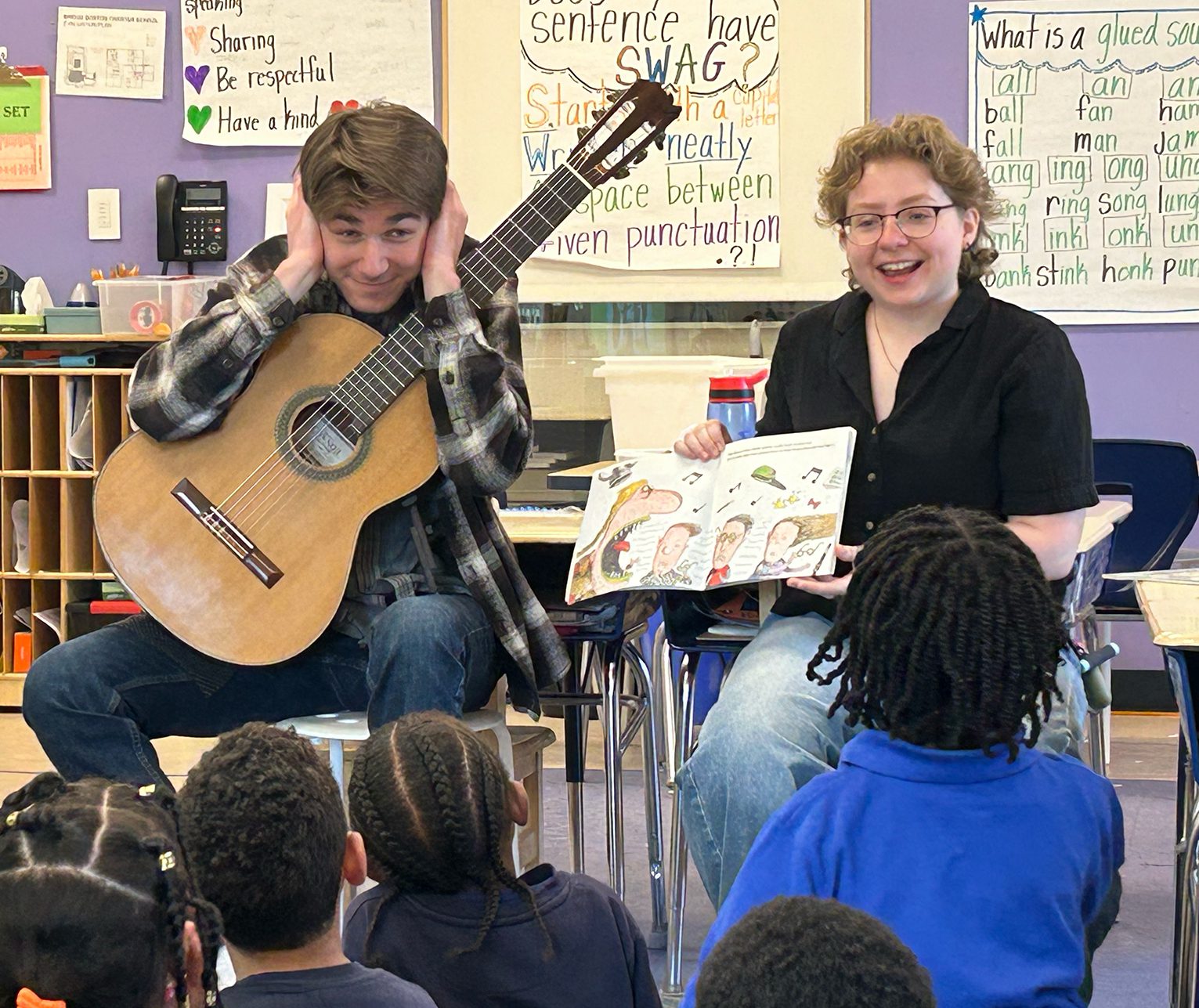
The Teaching Artistry and Music Education Concentration is a curricular course of study rooted in real world teaching experience and community partnership.
In alignment with the broader teaching artist field, the concentration uses a menu-based approach, allowing students to customize the concentration to focus on their intended style(s) of teaching and community-engaged musicmaking in spaces such as K-12 classrooms, private lesson studios, creative aging, El Sistema programs, concert hall stages, collegiate music instruction, social change projects, and more. The concentration consists of 5 credits (4 credits of course work, 1 credit capstone project) and co-curricular experiential learning opportunities (non-credit-bearing).
How to Apply
The Teaching Artistry and Music Education Concentration is available to NEC undergraduate and graduate students.
Declaring the concentration requires the submission of a formal application. Paper application forms are available at the Community Performances and Partnerships Office (SB 200) upon request. Applications are accepted on a rolling basis throughout the year; priority is given to those submitted before the following deadlines:
Fall Priority Deadline: September 18, 2026
Spring Priority Deadline: February 28, 2027
Following receipt of your application, you will be contacted to schedule an informal interview with CEPS staff.
Apply Now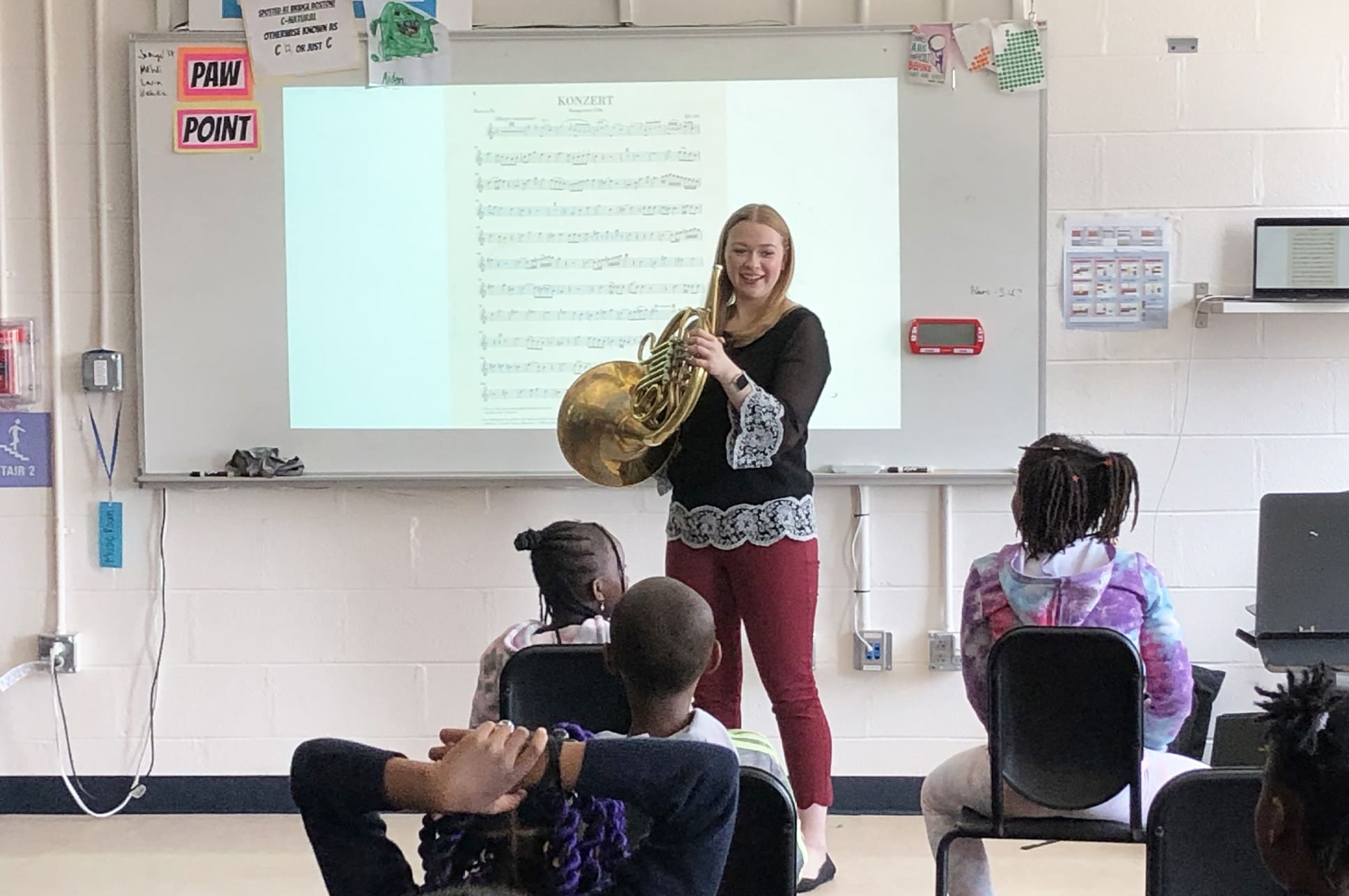
Teaching Artistry@NEC Workshop Series
Teaching Artistry@NEC Workshops are hosted in person and online throughout the year. These workshops expand on the curricular and experiential learning opportunities in the concentration by inviting experts from a range of fields to present interactive learning opportunities.
Frequently Asked Questions
This concentration is designed to build practical experience and skills for a variety of different types of teaching and community-engaged musicmaking work, including private lesson studios, classroom co-teaching, sectionals, work with adults, creative aging, community engagement performance and much more. This concentration will give you the basic skills you need to be successful in all kinds of teaching artistry as well as opportunities to dive deeper into particular areas of interest. All the experiences are rooted in giving you real-world experience.
The Teaching Artistry and Music Education Concentration is not a teacher certification program. However, students may be able to use some course credits towards meeting state or professional licensure. Further general information about state certification is available from Community Engagement and Professional Studies (CEPS).
Students who start the concentration as an undergraduate must finish it as part of their degree program; they cannot carry it over to graduate work at NEC. Graduate students who declare the concentration during their MM degree may continue their progress and complete it as part of a subsequent GD degree. This must be done in consultation with CEPS staff and will require prior approval. This provision does not apply to DMA students who have completed prior graduate study at NEC.
Coursework completed during a student’s current degree prior to declaring the concentration can be counted towards the completion requirements. CEPS staff will verify previously completed courses with students upon their application. Coursework completed in a previous degree only can be counted towards the requirements when rolling the concentration over from an MM to GD or vice versa.
Previously completed fellowships follow the same rules as previously completed coursework, where fellowships completed prior to declaring the concentration can count for credit. This credit is contingent upon students retroactively completing the reflective exercise required for all fellowship credit towards the concentration. Fellowships completed during previous degrees do not count towards concentration credit, except in the case of rolling over the concentration between an MM and GD.
No. Given the number of workshop attendance opportunities, workshop credit for the concentration does not start accruing until formally declaring the concentration.
Yes! This concentration, including its coursework and capstone project will be listed on your transcript. Workshops and experiential learning opportunities will be represented by completion of the concentration.