The future of music, made here.

NEC Faculty Member Nima Janmohammadi Curates New Apple Music Playlist in “The Syllabus” Series

August 25, 2026

NEC Faculty Member Nima Janmohammadi Curates New Apple Music Playlist in “The Syllabus” Series

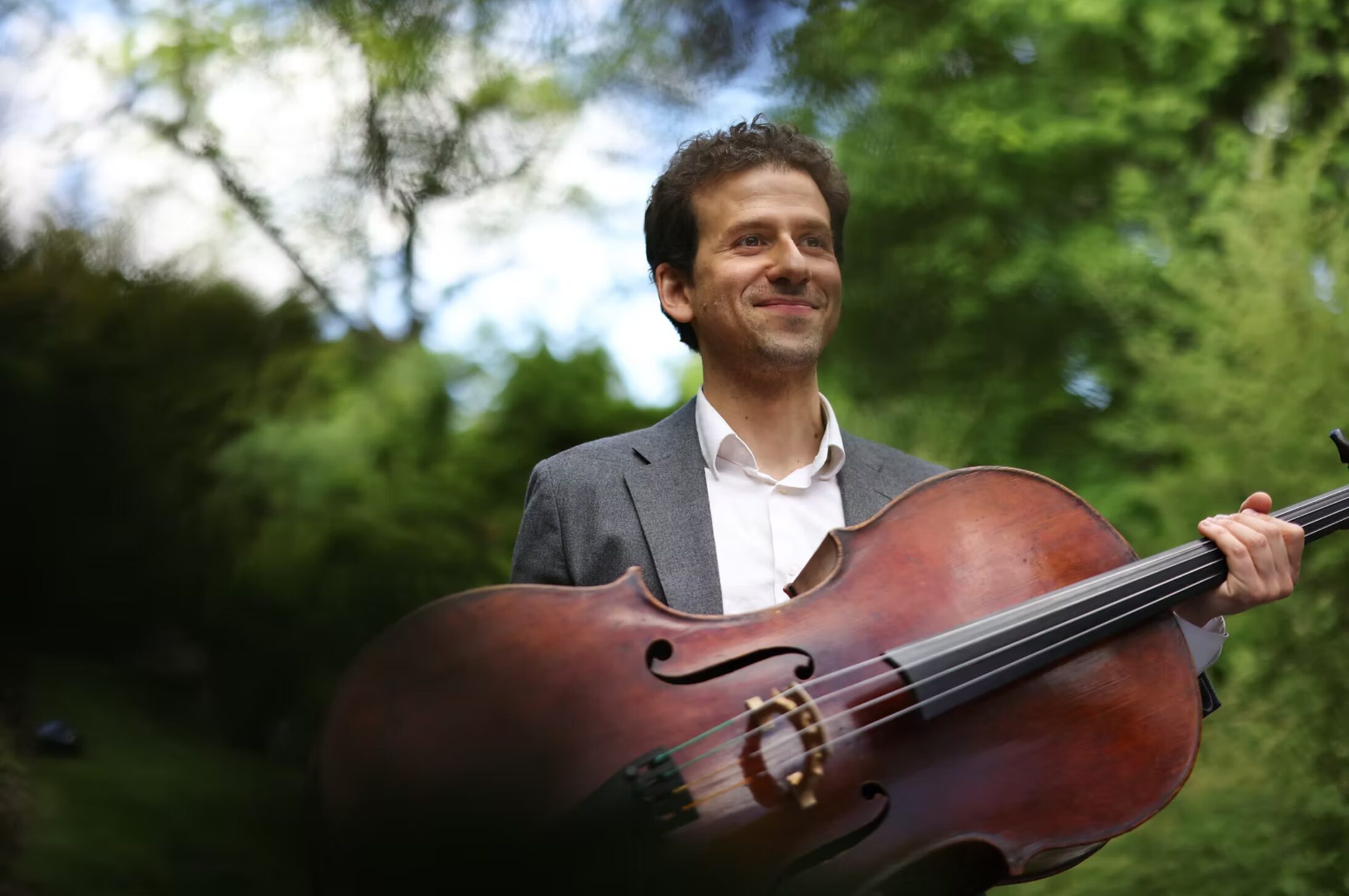
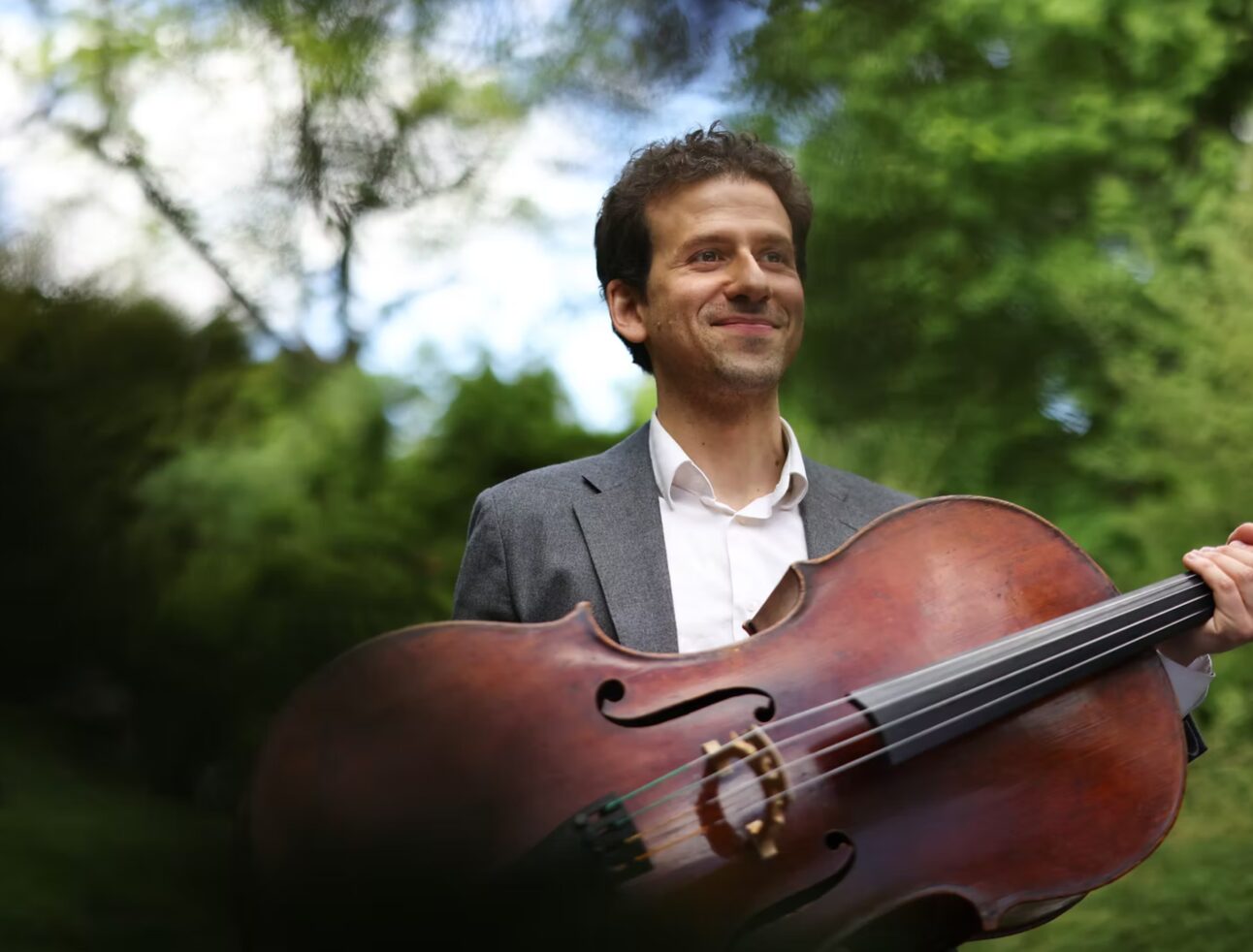
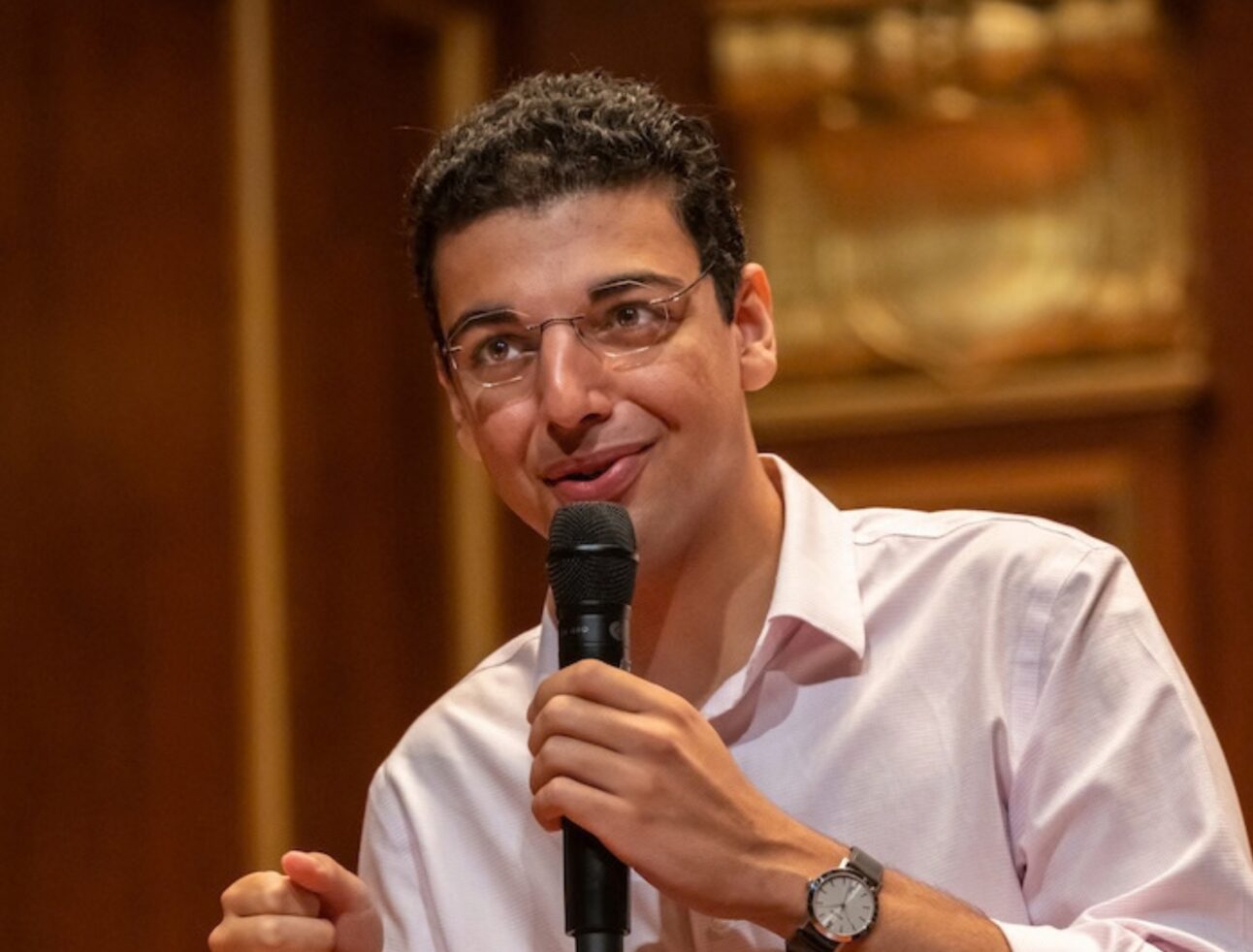
In addition to honing their artistic practice in studios, rehearsal rooms, and concert halls, students at NEC take classes that contextualize and examine the music they’re learning and performing. The latest in our Apple Music playlist series The Syllabus explores the concept of “mode” across diverse musical cultures in Asia, highlighting the theories, practices, and sounds that shape modal music. This Syllabus playlist was curated by faculty member Nima Janmohammadi, who teaches a course called Asian Modal Systems.

“It is nearly impossible to develop a deep understanding of musical traditions that have evolved over centuries in the span of a single semester,” Janmohammadi explained. “However, we can learn how performers in different cultures perceive and organize fundamental musical qualities such as melody, interval, pitch, timbre, texture, rhythm, and time.

Asian Modal Systems engages with the concept of ‘mode’ across various musical cultures throughout the continent of Asia, with particular attention to the theories and practices associated with modal music. While each tradition studied in this course could require a lifetime of dedication to fully understand, we can begin to develop meaningful ways of listening by examining the syntax and behavior of its modes, the systems and networks through which they are constructed, their temporal dimensions, and the ways in which they are embodied and manifested by performers in the course of a performance. Through this process, we not only cultivate a more informed and respectful approach to listening across cultures, but also encounter ways of understanding sound, melody, interval, pitch, timbre, rhythm, and time that may otherwise remain unfamiliar to us.”

Here’s the playlist Janmohammadi curated, with an explanation of how each selection relates to the course material.

Nima Janmohammadi’s Selections 

1. Taqsîm en maqâm: Râst — Munir Bashir

The oud is an instrument shared across a vast geographical and cultural region, from North Africa throughout the Arab world, and from Turkey and Iran to medieval Europe. Representations of the instrument can be found in ancient Iranian iconography, including depictions in surviving artworks dating back to Iran’s pre-Islamic Sasanian Empire (224–651 CE). Here, you can listen to the legendary oud player Mounir Bashir improvising in Maqam Rast (Maqam is the name of the modal system of Turkish and Arabic music). There are several maqams that share the same pitch collection; however, each is distinguished by the contour of its melodies, intonation, points of resolution and repose, cadential formulas, and the relationships between its constituent tetrachords and trichords, known as ajnas. These elements together define the particular character and identity of each maqam.

2. À Damas — Waed Bouhassoun

In Arabic and Persian music, “Lahn” refers to the way one shapes a word by giving it a particular form, gesture, and internal energy. In this performance, listen to how Waed Bouhassoun alters the timbre of her voice as she modulates to a new mode, as each mode and word requires its own force, energy, and velocity.

3. Rain — Mohammad Reza Shajarian and Keyhan Kalhor

Mohammad Shajarian was one of the most important singers and cultural figures of 20th- and early 21st-century Iran. In this recording, he performs a song based on a traditional folk melody, recomposed by the renowned kamancheh player Keyhan Kalhor. The piece is a hybrid of Persian classical music and Iranian folk music, bringing together elements of both traditions.

4. Thumri Bhairavin — Bismillah Khan and Vilayat Khan

Raga Bhairavi, performed by two of the greatest improvisers of all time. An impeccably precise performance, yet remarkably fluid in both pitch and time. Listen to how they approach each tone, how they move away from it, and what happens as they connect one pitch to another.

5. Three Variations of the Plum Blossoms — Shuishan Yu

Guqin is one of the oldest Chinese instruments, with an incredibly rich focus on timbre. The registral plan of this piece, alternating between stopped, open, and harmonic strings, and the way these timbral contrasts shape the form, provide a wonderful example of how one can think about pitch in both its horizontal and vertical dimensions.

6. Etenraku — Gagaku: The Imperial Court Music of Japan

Perhaps the most famous piece in the repertoire of the imperial court music of Japan, known as Gagaku. One of the most sophisticated forms of heterophony, an oral tradition that focuses both on ensemble playing and on the incredibly subtle nuances of each individual instrument and melodic line.

7. P’ansori Shimch’ongga — Seong Chang-soon

Shimmering melodies intertwined with one another, with the bodies and stories of a people; ancient and futuristic at the same time.

8. Bubaran: Nudan MasJava: Court Gamelan

“Javanese music, able to express every shade of meaning … which makes our tonic and dominant seem like ghosts…”

“The music of Java observes a counterpoint beside which that of Palestrina is child’s play.”

These quotes were written in two separate letters, a few years apart, by Debussy after he heard a performance of Gamelan music at the Paris Exposition Universelle in 1889. Even though Gamelan music has an entirely different musical construction with its ensemble, instruments, concept of pitch, intervals, and sense of time very different from those of Western European music, it is nevertheless not surprising to read Debussy’s reaction after hearing such an incredibly rich and complex sound world.

Listen to Nima Janmohammadi’s Syllabus Playlist

As the first conservatory to become an Apple Music Curator, NEC is extending its digital stage — connecting global audiences with the artistry of its students, alumni, and faculty, and the music that inspires them. Visit our New England Conservatory Apple Music Curator page for world class performances, curated seasonal playlists, and more.

recent news
NEC Faculty Member Nima Janmohammadi Curates New Apple Music Playlist in “The Syllabus” Series

August 25, 2026

NEC Faculty Member Nima Janmohammadi Curates New Apple Music Playlist in “The Syllabus” Series

Read More
NEC Adopts Collaborative, Co-equal President/CEO Leadership Model

August 24, 2026

NEC Adopts Collaborative, Co-equal President/CEO Leadership Model

Read More
Practice and Persistence: Oboist and NEC Alumnus Kip Zimmerman on His Road to the BSO

August 12, 2026

Practice and Persistence: Oboist and NEC Alumnus Kip Zimmerman on His Road to the BSO

Read More
  • NEC Faculty Member Nima Janmohammadi Curates New Apple Music Playlist in “The Syllabus” Series

    August 25, 2026

    NEC Faculty Member Nima Janmohammadi Curates New Apple Music Playlist in “The Syllabus” Series

  • NEC Adopts Collaborative, Co-equal President/CEO Leadership Model

    August 24, 2026

    NEC Adopts Collaborative, Co-equal President/CEO Leadership Model

  • Practice and Persistence: Oboist and NEC Alumnus Kip Zimmerman on His Road to the BSO

    August 12, 2026

    Practice and Persistence: Oboist and NEC Alumnus Kip Zimmerman on His Road to the BSO

  • Through Residencies, NEC Students Enrich Lives and Find Purpose

    August 10, 2026

    Through Residencies, NEC Students Enrich Lives and Find Purpose

  • Expanded Education Department Welcomes Inaugural Director of Choirs Michele Adams

    July 27, 2026

    Expanded Education Department Welcomes Inaugural Director of Choirs Michele Adams

  • Upcoming Concert Season Showcases Dynamic NEC Community and Distinguished Guest Artists 

    July 15, 2026

    Upcoming Concert Season Showcases Dynamic NEC Community and Distinguished Guest Artists