Performances + Events

As a critical part of its commitment to preparing students for sustainable 21st-century careers, New England Conservatory has been making a meaningful investment in the faculty who mentor those ascendant artists. In early October, NEC opened the doors of its Center for Teaching and Learning, a physical and intellectual space whose mission is to support and elevate the pedagogy that’s happening across the Conservatory’s College and Expanded Education divisions.
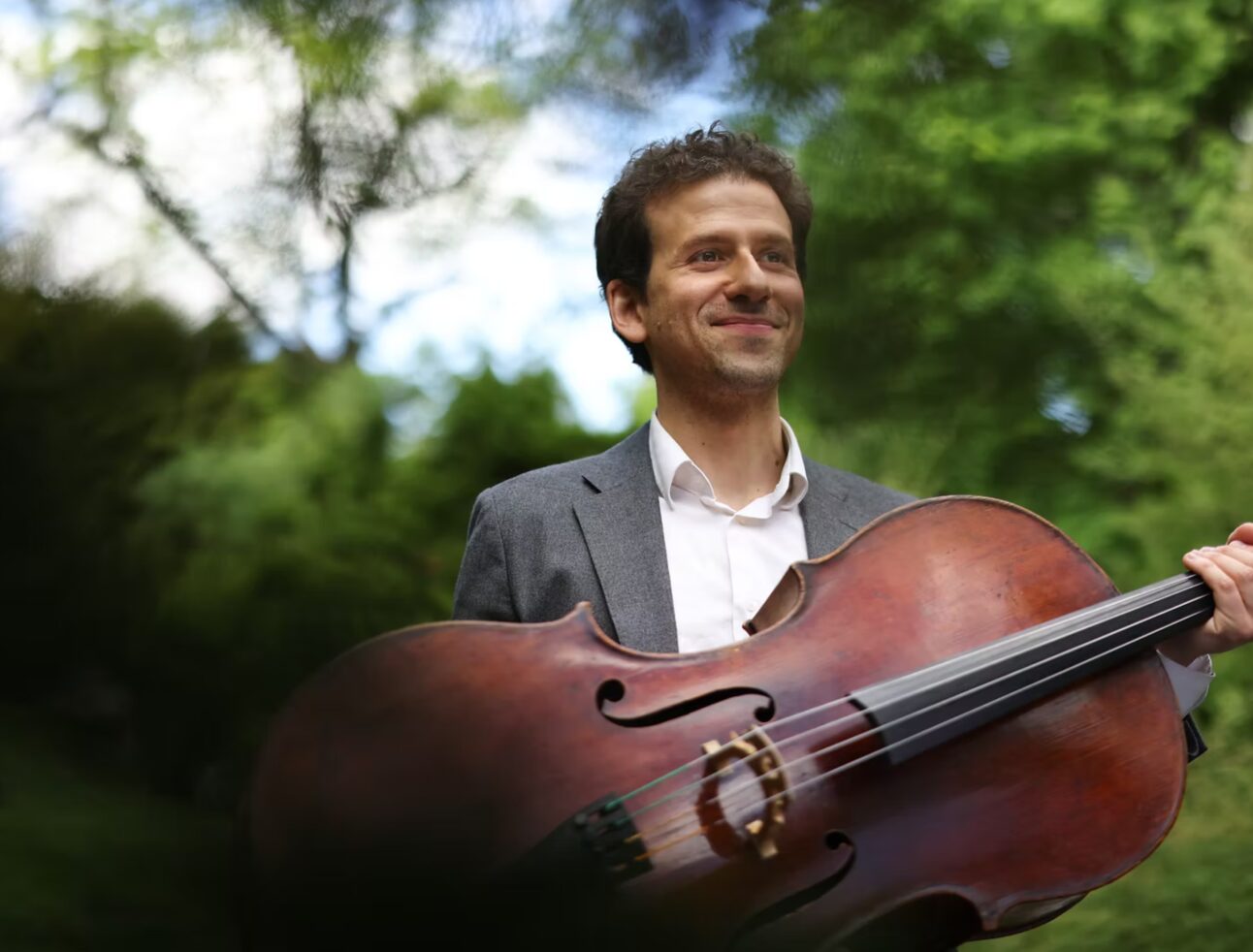
“Great teaching requires the same curiosity, imagination, and willingness to experiment that we associate with great music-making,” CTL Director Andrew Schartmann said. “The CTL is a place where faculty can explore new ideas, learn from one another, and approach their teaching as an evolving creative practice.”
NEC’s investment in impactful teaching is and has been robust. The center is a new effort to connect faculty inspiration with the science of how people learn and the needs of modern music students. Each semester, the CTL will offer workshops, conversations, consultations, and project stipends to help faculty learn from one another and from guest experts in a variety of fields such as AI and neurodivergence, among others.
“The NEC curriculum places high expectations on both students and faculty,” said Brendan Lake, NEC’s Director of Strategic Initiatives and Instructional Design. “Delivering the highest level of music education requires continuous advancement among faculty and the students they teach. The CTL provides a central source of support for course design, classroom engagement, assessment, policy, interdisciplinarity, and instructional technology so faculty can better focus on what’s most important: inspiring and guiding their students.”
NEC’s holistic approach to education begins with the premise that developing as a musician requires more than technical and artistic mastery. For students, NEC’s project-based curriculum connects the practice room to the classroom and the concert hall. NEC’s faculty are dedicated to helping students make those contextual connections and are encouraged to explore innovative approaches to that work.
In recent years faculty have participated in a Collaboration Challenge and Faculty Innovation Cohorts, the latter of which, Schartmann said, have served as vital incubators and empowered faculty to engage deeply with questions about pedagogy. Faculty have also attended the Institute on Project-Based Learning, a program of Worcester Polytechnic Institute’s Center for Project-Based Learning.
NEC’s new CTL, Schartmann said, is “built by faculty, for faculty” with an eye toward “educating the whole musician.”
“What the world needs of musicians is changing,” CTL Associate Director Erica J. Washburn said. “We [faculty] have to change with it.” That means helping faculty “find the best way to communicate their expertise to the 21st century student.”
“Our responsibility is not only to help students become exceptional musicians, but also to prepare them to use their artistry in ways they may not yet have imagined,” Schartmann said. “That requires us to think creatively about how and what we teach.”