
 Performances + Events
Artist Diploma: Jazz and Contemporary Musical Arts
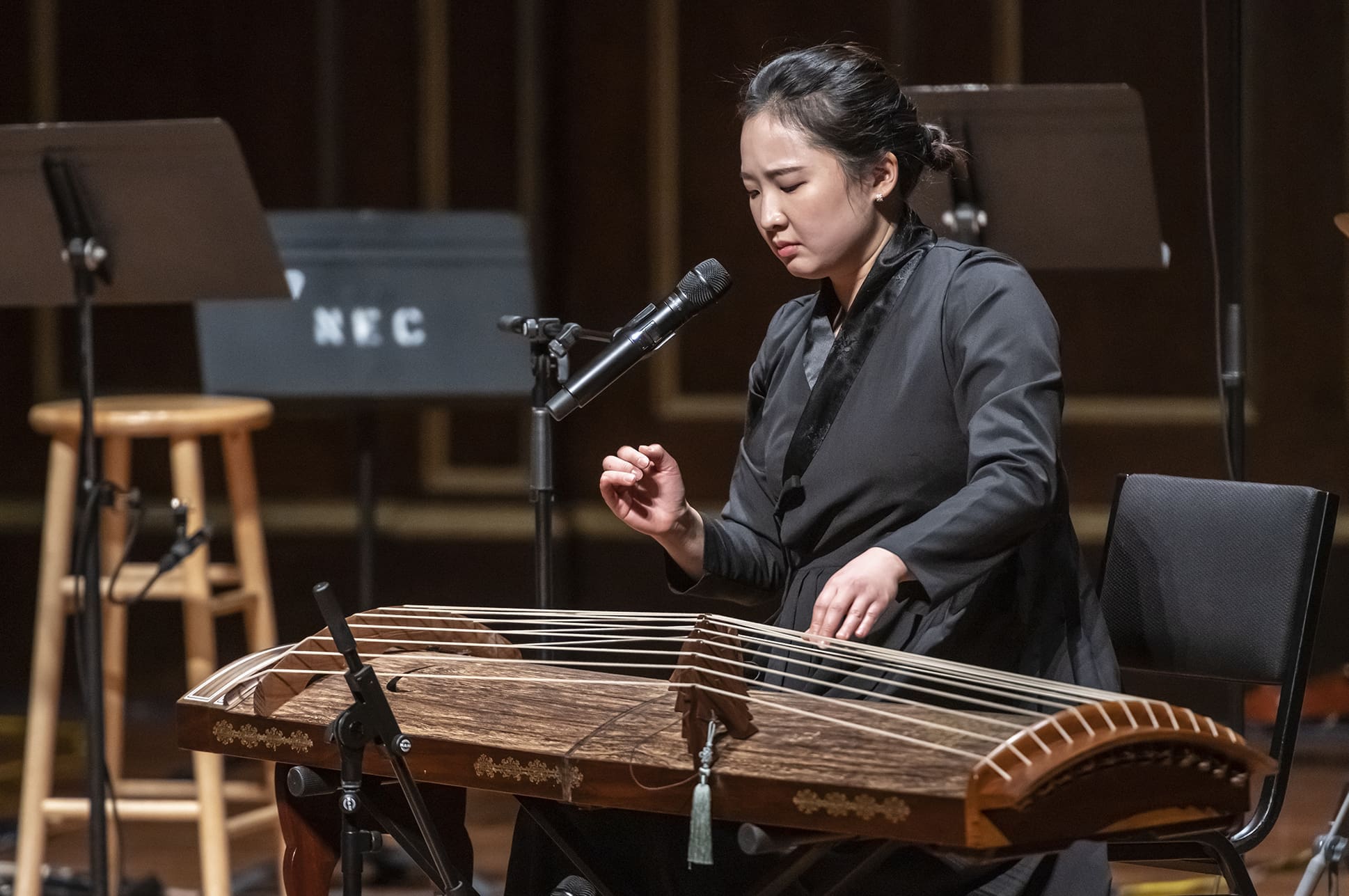
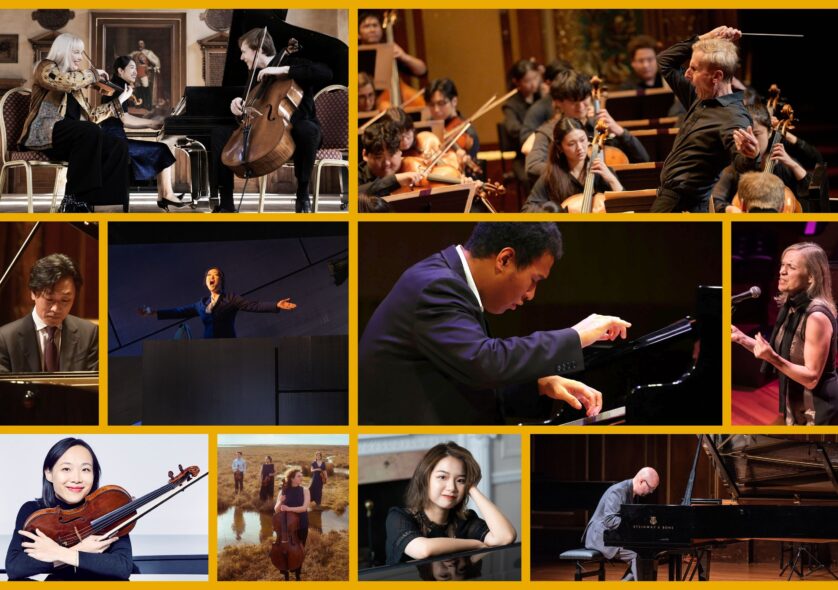
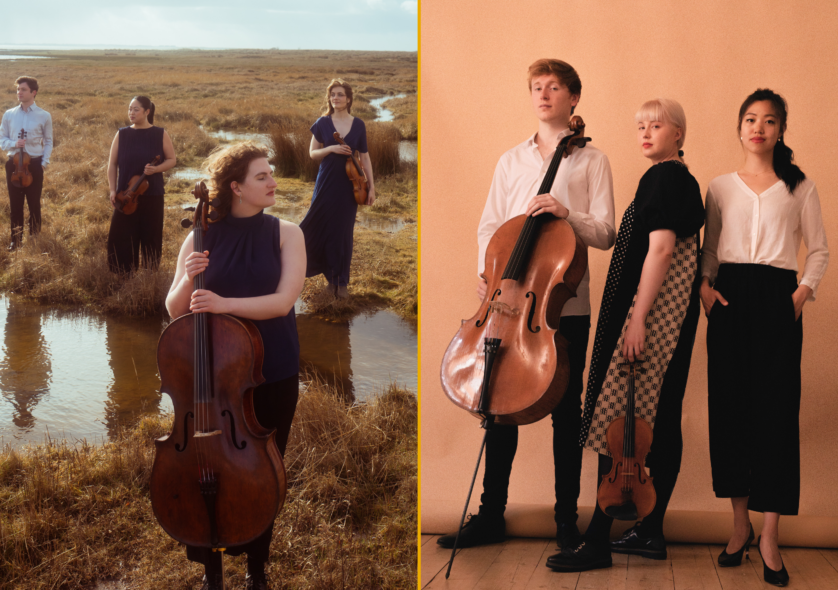
Jazz and contemporary musical arts musicians in the Institute for Concert Artists earn the Artist Diploma, NEC’s highest-level performance designation.
Concert Artists deepen their artistry and broaden their musical perspectives with the support of NEC faculty and the ICA’s extensive resources.
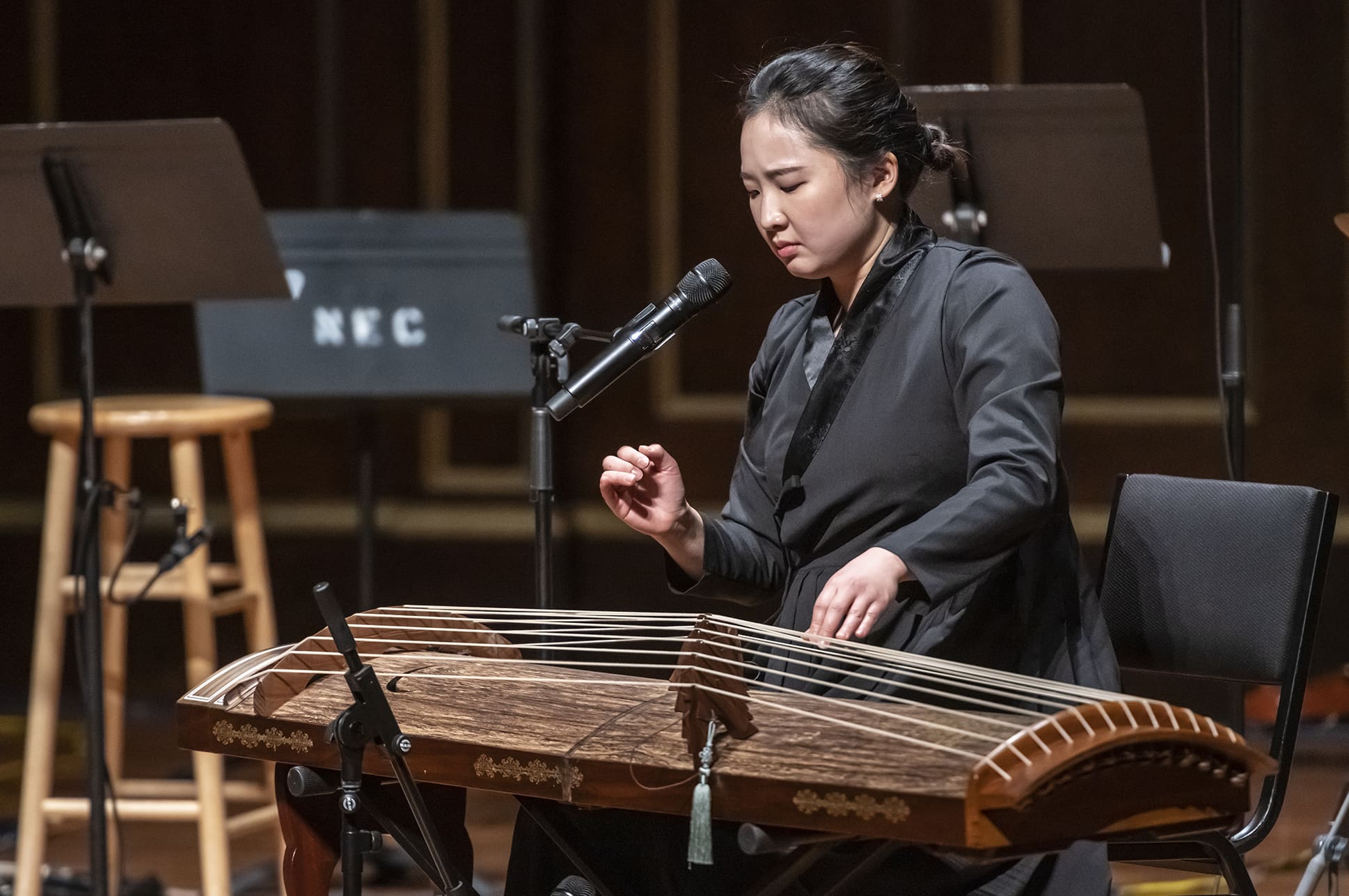
About the Program
Aspiring jazz and contemporary musical arts musicians will find unparalleled opportunities to cultivate their talent and advance their musical ambitions with the ICA. This unique two-year program offers a blend of mentorship, comprehensive study, and performance platforms.
Applicants should demonstrate exceptional talent, with a strong sense of their individual voice, mastery of their instrument, and a vision for their artistic future, ready to embark on remarkable professional journeys. The ICA is committed to providing them with the necessary tools, mentorship, and connections to thrive in the competitive music industry.
AD students are awarded a full-tuition scholarship and an annual stipend.
Program Benefits
- Lessons with internationally renowned faculty from NEC’s Jazz Studies and Contemporary Musical Arts departments
- Special performance opportunities in Jordan Hall and beyond
- Potential teaching and residency engagements at NEC, the Panama Jazz Festival, and more
- Collaboration opportunities within a vibrant, diverse community of innovative musical artists
After NEC
Featured Faculty
-
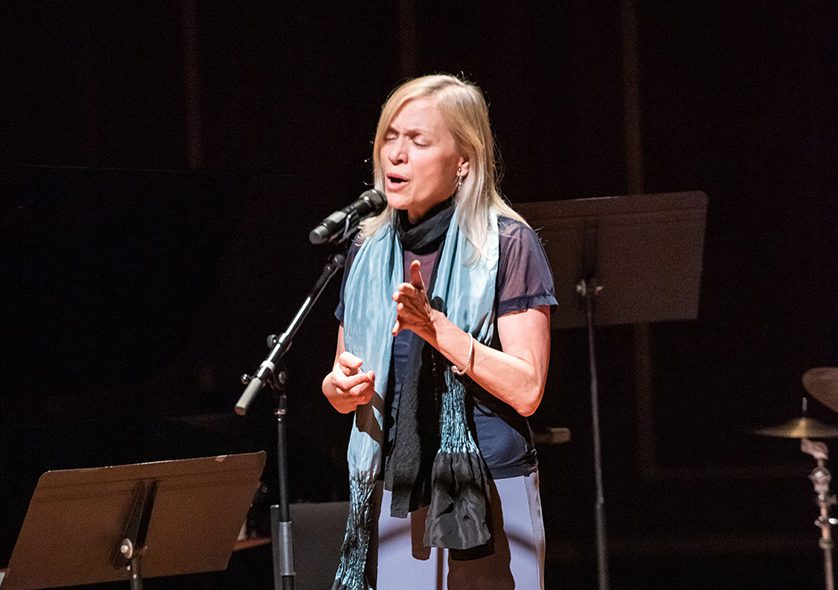
Dominique Eade
Poetic and passionate, American vocalist, composer, and improviser Dominique Eade blends musical virtuosity with a songwriter’s straightforward emotional sensibility, creating music that has garnered critical acclaim, inspired audiences, and served as a creative signpost for generations of singers. The New York Times called Eade “an exceptional singer” with a “wide vocal range and a grasp on the intricacies of style,” one “who weighs a chanteuse’s coolness against a jazz musician’s exploratory instincts.” Eade was signed to RCA Victor in 1998, recording with jazz luminaries Dave Holland, Victor Lewis, and Benny Golson.
-
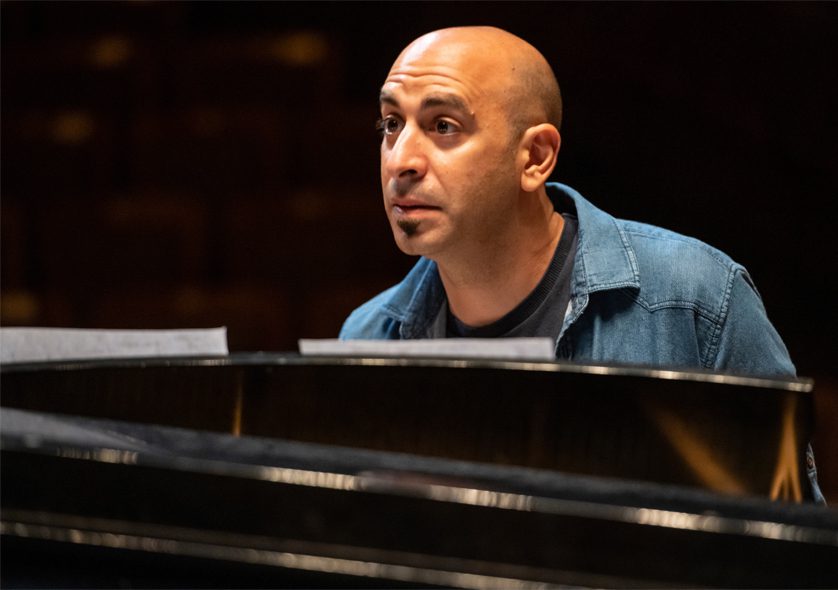
Akram Haddad
Akram Haddad is dedicated to promoting an understanding and appreciation of Arabic music and culture. His compositions, arrangements, and performances showcase the rich musical traditions of the Middle East and the power that exists in collaborations that bring together Middle Eastern music, Western music, and other folk traditions. His portfolio includes music for films, television, video games, theater, choir, and other media. Haddad’s piano artistry has been recognized internationally, and, as an accomplished conductor, he has led orchestras and ensembles in performances of his own compositions and other works. He earned his Graduate Diploma in Contemporary Improvisation from New England Conservatory.
-
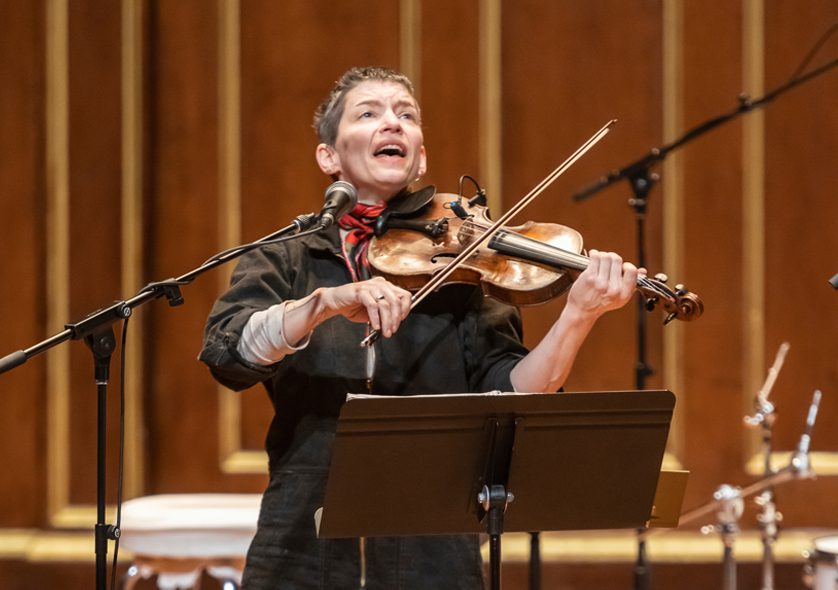
Carla Kihlstedt
Violinist, singer, improviser, and composer Carla Kihlstedt has performed with her many bands in concert halls, rock clubs, and theaters, for rock, classical, and experimental audiences. Her ongoing collaborative projects include the acoustic composers’ collective Tin Hat, the dramatic and alarming experimental rock band Sleepytime Gorilla Museum, the intimate, incisive purveyors of song 2 Foot Yard, and the fiercely spontaneous improvisational duo Minamo, with pianist Satoko Fujii. Kihlstedt has also recorded and performed with many of her favorite musicians, including Fred Frith, Tom Waits, Ben Goldberg, Lisa Bielawa, and Colin Jacobsen.
-
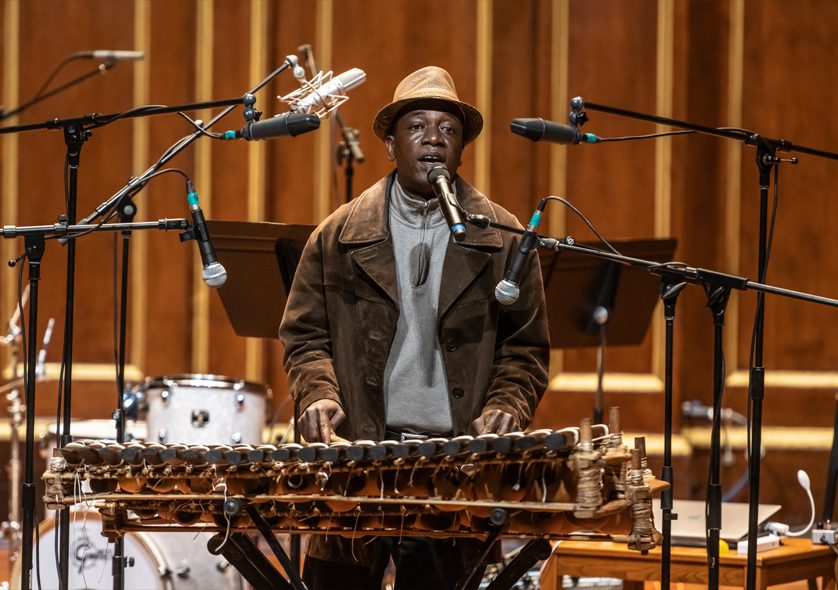
Balla Kouyaté
Born in Mali, Balla Kouyaté was raised in the Djeli tradition. His knowledge of his traditional repertoire is unparalleled. The first balafon, more than 1000 years old, remains in his family. It is considered a UNESCO Artifact of Oral and Intangible History. Kouyaté has worked with the renowned Ensemble Nationale du Mali and with such artists as Ami Koïta, Sekouba Bambino, and Kassé Madi Diabaté. Since coming to the United States in 2000 he has collaborated with Western artists in a variety of musical styles and created a chromatic instrument using two balafons. Kouyaté has appeared on more than 45 albums, including Silkroad’s Sing Me Home, Yo-Yo Ma’s Songs of Joy and Peace, Angelique Kidjo’s Oyo, and Vusi Mahlasela’s Say Africa.
-
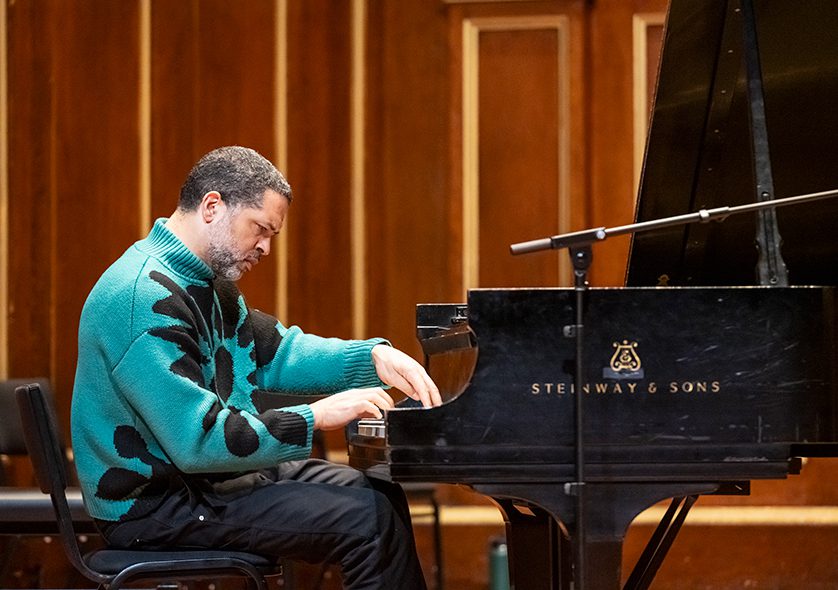
Jason Moran
Known for his fearless creativity and boundary-defying approach, American pianist, composer, and conceptual artist Jason Moran has redefined what it means to be a jazz musician in the 21st century, bridging tradition and innovation with uncommon vision. Rolling Stone hailed him as “the most provocative thinker in current jazz,” celebrating his ability to merge storytelling, history, and experimentation at the keyboard. A MacArthur Fellow and Artistic Director for Jazz at the Kennedy Center, Moran has recorded a series of acclaimed albums for Blue Note and collaborated with artists including Glenn Ligon, Joan Jonas, and Kara Walker.
-
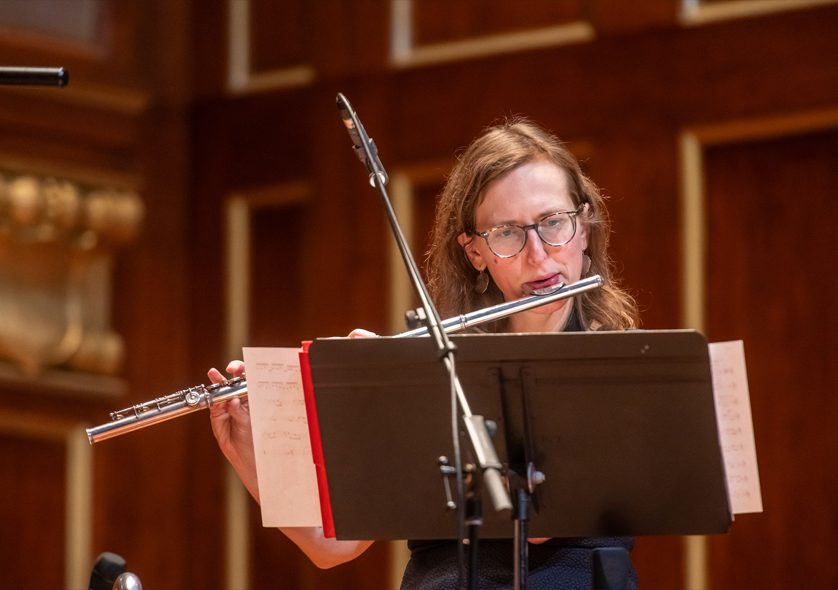
Anna Webber
Flutist, saxophonist, and composer Anna Webber’s interests and work live in the aesthetic overlap between avant-garde jazz and new classical music. Her music has been described by The Wall Street Journal as “visionary and captivating.” Webber has received grants from the Copland Fund, Shifting Foundation, New York Foundation for the Arts, Conseil des arts et des lettres du Québec, and Canada Council for the Arts, and has held residencies with Exploring the Metropolis, the MacDowell Colony, the Millay Colony for the Arts, and the Brush Creek Foundation for the Arts.
Featured Faculty
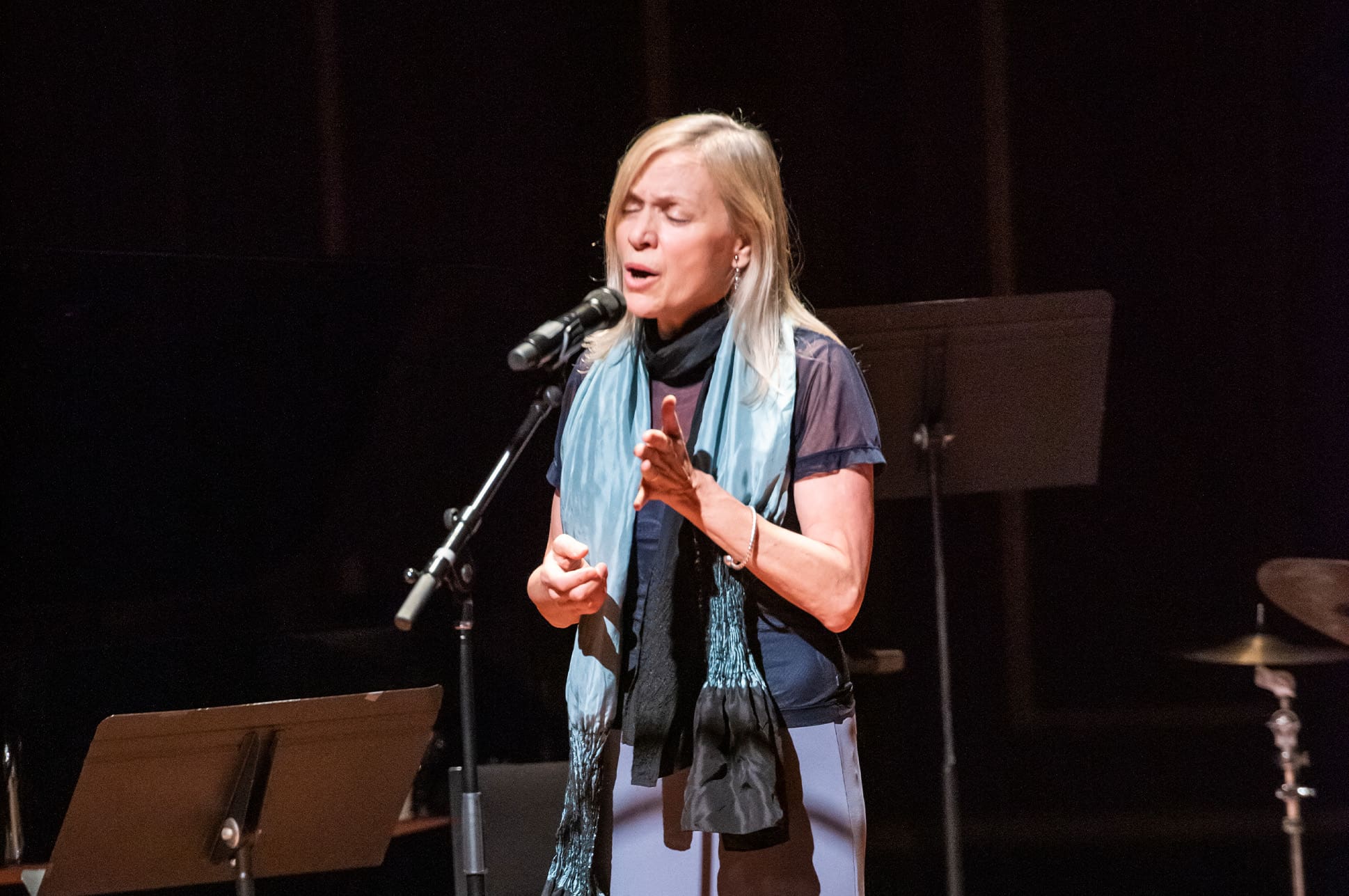
Dominique Eade
Poetic and passionate, American vocalist, composer, and improviser Dominique Eade blends musical virtuosity with a songwriter’s straightforward emotional sensibility, creating music that has garnered critical acclaim, inspired audiences, and served as a creative signpost for generations of singers. The New York Times called Eade “an exceptional singer” with a “wide vocal range and a grasp on the intricacies of style,” one “who weighs a chanteuse’s coolness against a jazz musician’s exploratory instincts.” Eade was signed to RCA Victor in 1998, recording with jazz luminaries Dave Holland, Victor Lewis, and Benny Golson.
Take the Next Step
Audition for the Institute
Are you interested in becoming a Concert Artist? Connect with our admissions team for more information about the application process, audition requirements, and benefits of an NEC education.