Wed, April 17
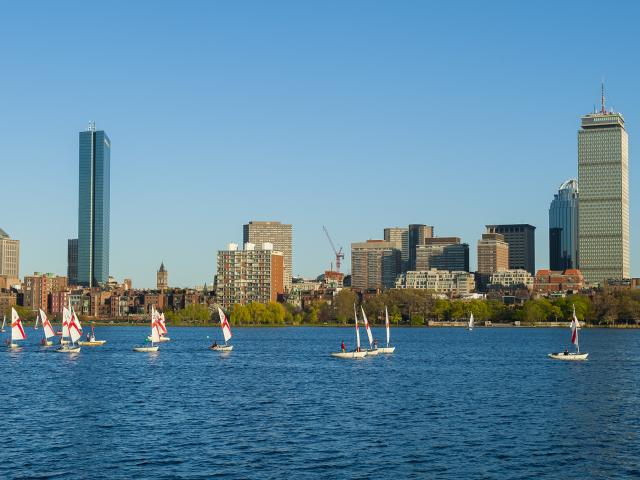
Tenor Josaphat Contreras ’22 MM has won a 2024-25 Fulbright-García Robles grant to study mariachi at the National Mariachi Conservatory in Mexico City. Contreras graduated from New England Conservatory with a Master of Music in Vocal Pedagogy, where he was chosen as the commencement speaker for his graduating class of 2022.
Wed, April 17
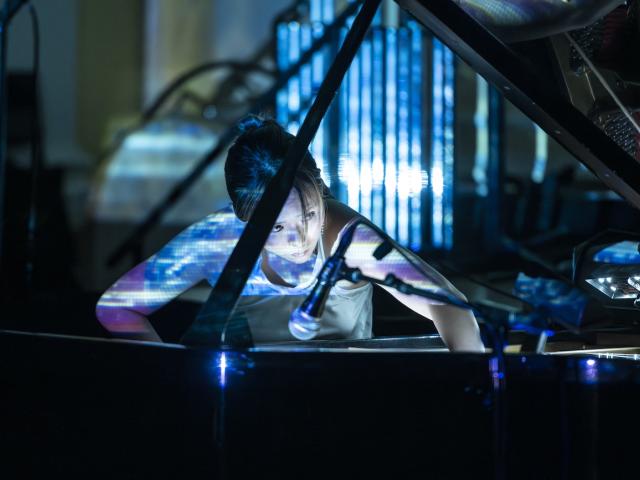
Through an EM Grant and collaboration with Northeastern’s MIND Lab, Arun Asthagiri ’24 analyzed the brainwaves of 21 participants during live and recorded performances at NEC to understand how live music moves and connects us. He presented his groundbreaking findings in April at the Cognitive Neuroscience Society’s Annual Meeting.
Wed, April 17
New England Conservatory is delighted to announce that three musical luminaries will receive honorary degrees during its 153rd Commencement exercises on May 19 in Jordan Hall. Songwriter, recording artist, and philanthropist Paul Simon, who will also be the featured speaker; five-time Grammy-winning soprano, educator, and MacArthur Fellow Dawn Upshaw; and conductor Robert Spano, a four-time Grammy winner who is Music Director of the Fort Worth Symphony Orchestra, Music Director Laureate of the Atlanta Symphony after 20 seasons at the helm, and who has served as Music Director of the Aspen Music Festival and School since 2011, will all receive honorary Doctor of Music degrees.
Fri, April 12
NEC alumni Yoon-Ji Lee ’06 MM, ’07 GD and Nicole Rampersaud ’06 MM
were awarded 2024 Guggenheim Fellowships in the “Music Composition” category, announced on April 11. Lee and Rampersaud are two of 14 composers among the list of 188 total artists, scholars, and scientists selected for the honor by the John Simon Guggenheim Memorial Foundation.
Tue, April 9
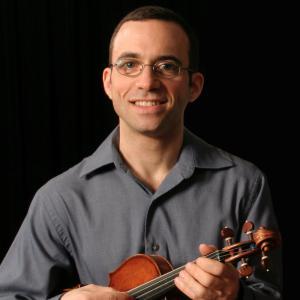
NEC violin faculty and founding member of the Borromeo String Quartet Nicholas Kitchen was featured in a recent piece in
The Atlantic for his work decoding Ludwig van Beethoven's original manuscripts.